
Picture this: your heart racing, palms sweating, thoughts spinning, and no matter how many times you tell yourself, "There's nothing to worry about," your body refuses to listen. This disconnect between rational thought and physical anxiety is something millions experience daily. When anxiety takes hold, the body's stress response often overrides the thinking brain, rendering cognitive strategies ineffective.
Body-based interventions offer a different approach by targeting the physiological aspects of anxiety directly. These techniques recognize that calming the body first can create space for the mind to follow, providing relief when words and thoughts simply aren't enough.
Understanding the Body's Role in Anxiety
When anxiety strikes, it's not just a mental experience—it's a full-body response orchestrated by the autonomic nervous system. This ancient survival mechanism activates the fight-flight-freeze response, flooding the body with stress hormones like adrenaline and cortisol. These biochemical messengers prepare the body for perceived danger by increasing heart rate, accelerating breathing, tensing muscles, shunting blood away from digestion, and heightening sensory awareness.
These physical manifestations of anxiety can include trembling, sweating, chest tightness, digestive disturbances, dizziness, and muscle tension. For many people, these bodily sensations become anxiety triggers themselves, creating a cascading effect where physical symptoms cause more anxiety, which in turn intensifies the physical response.
The nervous system has an optimal zone of arousal called the "window of tolerance," where we can think clearly and respond appropriately to stressors. When anxiety pushes us beyond this window, our ability to process information and regulate emotions becomes compromised. Body-based interventions aim to bring the nervous system back within this functional range by directly engaging the parasympathetic "rest and digest" branch of the autonomic nervous system. Tracking these states through targeted journaling prompts can help identify when you're moving outside your window of tolerance before anxiety escalates.
The Mind-Body Connection in Anxiety
The relationship between thoughts and physical sensations in anxiety is bidirectional, creating a powerful feedback loop. Anxious thoughts trigger physical stress responses, while physical symptoms reinforce catastrophic thinking patterns. For example, experiencing a racing heart might lead to thoughts about having a heart attack, which further increases heart rate and intensifies fear.
Breaking this cycle often requires intervention at the physical level, as the body's state directly influences cognitive function. Body-based techniques provide this interruption by addressing physiological arousal directly. By consciously altering breathing patterns, engaging in specific movements, or stimulating certain sensory experiences, these interventions send safety signals to the brain's alarm centers.
Journaling about physical sensations enhances this process by increasing body awareness and tracking patterns. Journal Party's anxiety tracking prompts guide users to identify specific bodily sensations that appear at different anxiety levels, creating a personal map of how anxiety manifests physically. Questions like "Where did I first notice tension today?" help connect physical experiences with emotional states, strengthening the foundation for effective self-regulation.
When Cognitive Approaches Fall Short
Traditional cognitive approaches to anxiety management—such as thought challenging, reframing negative thoughts, or using positive affirmations—rely on active engagement of the prefrontal cortex, the brain's executive functioning center. However, during intense anxiety or panic attacks, the prefrontal cortex becomes less accessible as the body's alarm system takes over. This explains why telling yourself "there's nothing to worry about" rarely works when you're in the throes of a panic attack.
Mental health professionals distinguish between "top-down" and "bottom-up" processing in anxiety management. Top-down approaches start with the thinking brain and work to influence emotional and physical responses. Bottom-up approaches begin with the body and sensory experiences, which then influence emotional and cognitive states.
Consider situations where cognitive approaches might fail: during a public speaking event when your mind goes blank, in the middle of the night when racing thoughts prevent sleep, or during social anxiety when self-consciousness becomes overwhelming. In these moments, the thinking brain is compromised by the body's stress response, making physical interventions the most direct path back to calm. Journal Party's "In-the-Moment Relief" journaling prompts provide quick grounding exercises for exactly these high-stress situations, helping reconnect with the body when the mind is overwhelmed.
Breath-Based Interventions
Breathing represents a unique bridging point between voluntary and involuntary bodily functions, making it one of the most accessible tools for anxiety management. While we typically breathe automatically, we also have the ability to consciously control our breath patterns, directly influencing our nervous system state. This unique relationship makes breath-based techniques particularly powerful for anxiety, as they provide a direct pathway to shift from sympathetic (aroused) to parasympathetic (relaxed) dominance.
Unlike shallow chest breathing, which commonly occurs during anxiety, diaphragmatic breathing fully engages the diaphragm, allowing the lungs to expand more completely. This breathing pattern stimulates the vagus nerve, the main communication pathway of the parasympathetic nervous system, sending signals to the brain that it's safe to relax.
Breath Awareness and Mindful Breathing
Simple breath awareness—observing the natural flow of breath without attempting to change it—can serve as a powerful grounding technique during anxiety. This practice works by shifting attention away from racing thoughts and toward present-moment physical sensations. Begin by noticing the natural rhythm of your breath, the temperature of the air as it enters and leaves your nostrils, and the subtle movements of your body with each breath cycle.
Mindful breathing differs from controlled breathing techniques in its emphasis on observation rather than manipulation. This approach can be particularly helpful for those who feel constricted or pressured by structured breathing exercises.
Incorporating brief moments of breath awareness throughout the day—while waiting in line, before important meetings, or during transitions between activities—builds the neural pathways that make this skill more accessible during anxiety episodes. Journal Party's mindfulness prompts enhance this practice by guiding users to document subtle changes in their relationship with breath over time, deepening body awareness and strengthening the mind-body connection.
Diaphragmatic Breathing Techniques
Box breathing offers a structured approach to diaphragmatic breathing that can be particularly effective during acute anxiety. To practice this technique:
- Inhale slowly through your nose for a count of four, allowing your belly to expand
- Hold your breath gently for a count of four
- Exhale slowly through your mouth for a count of four
- Hold the empty breath for a count of four
- Repeat for 3-5 minutes or until you feel calmer
Extended exhale breathing provides another powerful variation where the exhale duration exceeds the inhale. Try inhaling for a count of 4, then exhaling for 6 or 8 counts. This extended exhale specifically activates the parasympathetic nervous system, creating a stronger relaxation response.
Coherent breathing, which involves breathing at a rate of about 5-6 breaths per minute, has been shown to optimize heart rate variability, a key indicator of nervous system flexibility and resilience. This slower breathing rhythm helps synchronize various physiological systems, creating a state of coherence that counters anxiety's chaotic patterns.
Keeping a breathing journal with the help of Journal Party's tracking prompts can help identify which techniques provide the most relief for different anxiety presentations, allowing for a more tailored approach over time.
Movement-Based Anxiety Relief
Movement offers a powerful antidote to anxiety by helping the body process and discharge stress hormones that accumulate during the fight-or-flight response. Physical activity provides a biologically appropriate outlet for the energy mobilized by anxiety, helping to complete the stress response cycle. From gentle, mindful movements to more vigorous exercise, motion-based interventions can be tailored to match current energy levels, anxiety intensity, and personal preferences.
Progressive muscle relaxation (PMR) systematically addresses the physical tension that accompanies anxiety by contracting and then releasing different muscle groups throughout the body. This practice not only relieves muscle tension but also increases body awareness and creates a distinct contrast between states of tension and relaxation, making it easier to recognize and address anxiety-related tension in daily life.
Gentle Movement Practices
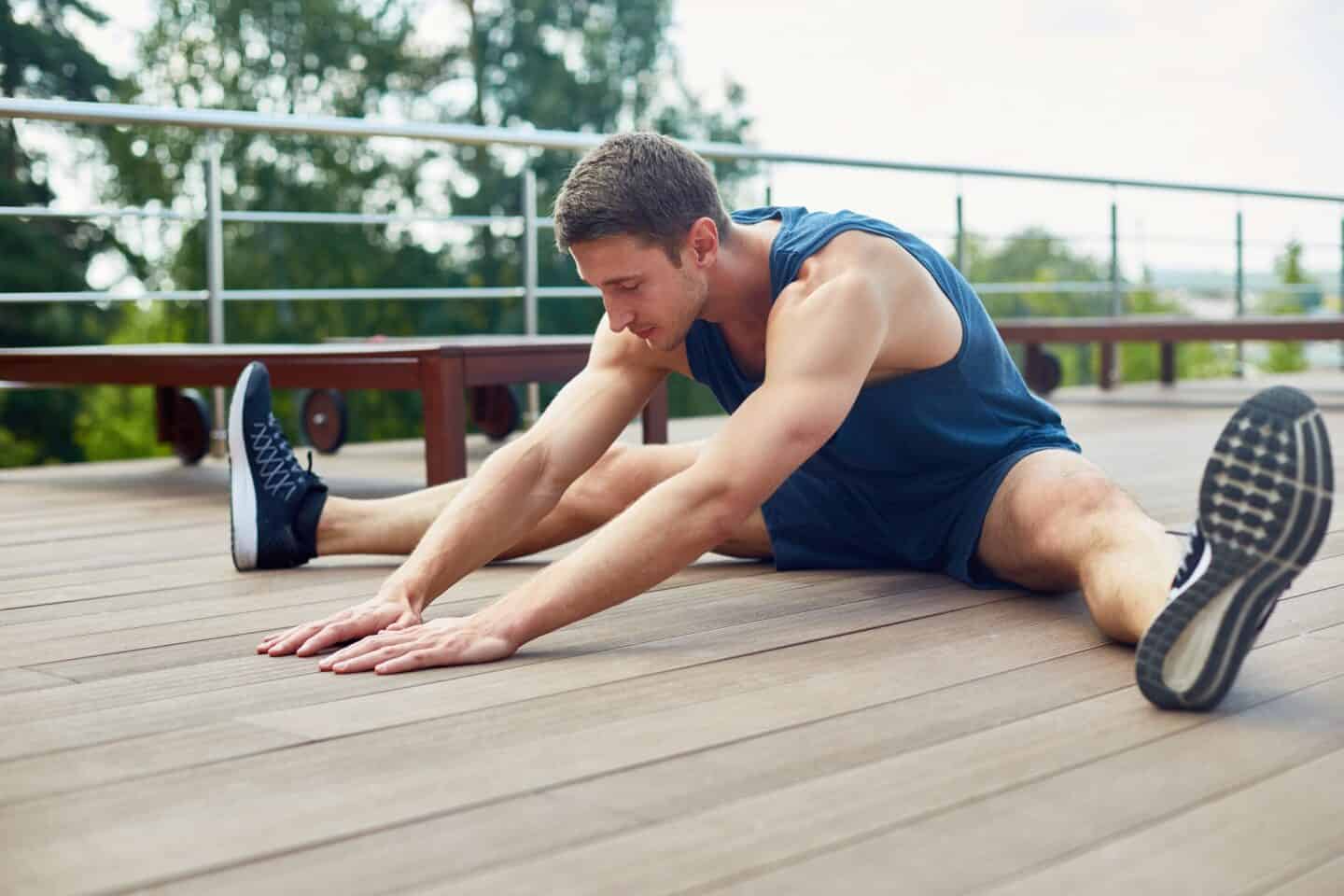
Specific yoga postures can activate the parasympathetic nervous system and release tension held in anxiety-prone areas like the hips, shoulders, and jaw. Forward folds, where the head is positioned below the heart, have a naturally calming effect on the nervous system. Child's pose provides a sense of safety and containment while stretching the back and hips where stress accumulates.
Gentle spinal twists help release tension along the vagus nerve pathway, enhancing parasympathetic tone. These postures can be held for 5-10 deep breaths, allowing time for the nervous system to register the release. For those with physical limitations, chair-based adaptations of these movements can provide similar benefits—focus on the breath-movement connection rather than achieving specific positions.
Tai chi and qigong offer flowing, meditative movement patterns that simultaneously calm the mind and regulate the body's energy. These practices emphasize the connection between breath and movement, creating a moving meditation that disengages the stress response. The slow, deliberate nature of these movements requires focused attention, naturally interrupting anxiety's thought spirals.
Journaling about body sensations before and after these gentle movement practices using Journal Party's body awareness prompts can reveal subtle shifts in nervous system state and help identify the most effective movements for individual anxiety patterns.
Vigorous Movement for Anxiety Relief
More intense physical activity provides an efficient channel for processing the excess energy and stress hormones that fuel anxiety. During high-anxiety states, the body prepares for physical action by releasing adrenaline and cortisol—hormones designed to enable running, fighting, or other vigorous movements.
Cardio exercise allows these chemicals to be metabolized in the way the body expects, completing the stress response cycle rather than leaving these energizing compounds circulating in the bloodstream.
Simple exercises that can be done without special equipment include jumping jacks, brisk walking, running in place, dance breaks, or climbing stairs. Even short bursts of 3-5 minutes can significantly reduce anxiety symptoms by burning off excess adrenaline. To determine appropriate intensity, match the level to your anxiety symptoms—higher anxiety typically responds better to more vigorous movement that leaves you slightly breathless, while moderate anxiety might benefit from moderate activity that raises your heart rate but still allows comfortable conversation.
The concept of "anxiety discharge" refers to the body's need to physically release tension accumulated during stress. Signs that the body needs this type of release include restlessness, irritability, muscle tension, or feeling "wound up." Tracking these physical cues alongside movement practices in a journal can reveal patterns and help develop intuition about which intensity level will be most effective in different situations.
Sensory Interventions for Immediate Relief
Sensory interventions leverage the direct line of communication between our senses and the nervous system, providing immediate pathways to shift states of arousal. These techniques are particularly effective during acute anxiety because they bypass cognitive processing, speaking directly to the brain's alarm centers through sensory input. By deliberately engaging with sensory experiences, we can interrupt anxiety's momentum and anchor ourselves in the present moment.
Cold exposure represents one of the fastest ways to interrupt an anxiety or panic cycle through a physiological mechanism called the mammalian dive reflex. When cold water contacts the face, particularly around the eyes and cheeks, the body automatically triggers a parasympathetic response, slowing heart rate and breathing.
Temperature-Based Techniques
Practical applications of cold exposure include splashing cold water on the face, holding an ice pack against the cheeks, placing hands in cold water, or sucking on ice cubes. This intervention is particularly effective for panic attacks, racing thoughts, or when feeling overwhelmed by emotion.
While cold exposure is generally safe for most people, those with certain cardiovascular conditions, Raynaud's disease, or cold urticaria should consult with healthcare providers before using these techniques. Milder applications like cool (not cold) water can provide similar benefits with less intensity.
Conversely, warmth can activate different relaxation pathways in the body, particularly helpful for anxiety that manifests as muscle tension, constriction, or the freeze response. Warm showers, heating pads placed on the chest or abdomen, or warm beverages can signal safety to the nervous system and promote muscular release.
The choice between cold and warm interventions depends on whether the anxiety presents more as hyperarousal (racing heart, racing thoughts), which responds better to cold, or hypoarousal (shutdown, numbness,) which typically responds better to warmth.
Multi-Sensory Grounding Techniques
The 5-4-3-2-1 technique offers a structured approach to sensory grounding by sequentially engaging each sense to bring attention back to the present moment. Start by identifying five things you can see, four things you can touch, three things you can hear, two things you can smell, and one thing you can taste. This systematic orientation to current sensory input helps break the grip of anxious thoughts and future worries by firmly anchoring awareness in the here and now.
Creating a "sensory first aid kit" provides ready access to grounding tools during anxiety episodes. This kit might include items with strong or pleasant sensory properties: something with an intense taste (sour candy, strong mints), distinctive smells (essential oils, coffee beans), interesting textures (smooth stones, soft fabric, stress balls), calming sounds (a small music player with headphones), and visually engaging items (photos, small toys with moving parts).
Individual sensory preferences play a significant role in determining which grounding techniques work best for each person. Some people respond strongly to auditory input, while others find tactile or visual stimuli more grounding. Journaling about sensory experiences using Journal Party's reflection prompts can reveal these preferences and help refine a personalized approach to sensory regulation.
Implementing Body-Based Interventions in Daily Life
The true power of body-based anxiety interventions emerges when they transition from emergency responses to integrated daily practices. Regular engagement with these techniques builds neural pathways that make them more accessible during anxiety, while also contributing to overall nervous system regulation that can prevent anxiety from escalating in the first place.
Implementing these approaches preventatively creates a foundation of physiological resilience that complements other aspects of anxiety management. Daily practice, even for just a few minutes, helps recalibrate the nervous system's baseline, making it more resilient to stress triggers.
Creating a Personalized Anxiety Response Plan
Developing a tiered response plan allows for matching interventions to anxiety intensity, creating a proportional approach that addresses symptoms at different stages. Begin by identifying your personal early warning signs—the subtle physical sensations that precede full anxiety activation. These might include slight tension in the shoulders, changes in breathing, digestive gurgling, or a specific quality of mental chatter.
Early intervention at these first signs often prevents escalation and requires less intensive techniques. As you map your anxiety progression, assign specific interventions to each level of intensity. For mild anxiety, simple breath awareness or gentle movement might suffice. For moderate anxiety, more structured breathing exercises or sensory grounding techniques may be needed.
The most effective anxiety response plans often combine multiple techniques in strategic sequences. For example, you might start with cold water on the face to interrupt panic, follow with extended exhale breathing to further activate the parasympathetic system, and finish with gentle movement to release residual tension.
Journal Party's goal-setting and planning prompts can help formalize this personalized plan and refine it over time, creating a reliable roadmap for navigating anxiety at all levels of intensity. The app's "Building Your Personal Calm Toolkit" program specifically guides users through creating and documenting this tiered response approach.
Tracking and Journaling for Increased Effectiveness
Systematic tracking of anxiety experiences creates valuable data that reveals patterns otherwise difficult to detect. Recording physical symptoms, triggers, interventions used, and their effectiveness builds a personalized anxiety profile that improves over time. This documentation process also provides objective evidence of progress, which can be particularly valuable when subjective experiences fluctuate or when improvement happens gradually.
Try these specific journaling prompts to enhance body awareness and intervention effectiveness:
- "What physical sensations first alerted me to rising anxiety today?"
- "Which body-based technique provided the quickest relief, and what specific changes did I notice?"
- "How did my breathing pattern change before, during, and after using an intervention?"
- "What environmental factors seem to influence the effectiveness of different techniques?"
Journal Party's guided journaling programs provide structured support for this tracking process, helping users develop a consistent practice of body scanning, symptom monitoring, and intervention evaluation. Programs focused on body wisdom and self-regulation offer prompts that deepen the mind-body connection, making subtle physical signals more noticeable before they escalate into full anxiety.
Adapting Techniques for Different Environments
Not all anxiety interventions are practical in every setting. Developing modified versions of these techniques for different environments ensures you always have tools available. For workplace anxiety, discrete options like focused breathing at your desk, brief stretching in a restroom, or holding a small sensory object in your pocket can provide relief without drawing attention.
For public spaces, techniques that look normal to outside observers work best: taking a brief walk, finding a quiet corner for a few deep breaths, or using the 5-4-3-2-1 technique while appearing to simply observe your surroundings. Having environment-specific strategies as part of your anxiety plan ensures you're never without options, regardless of where anxiety strikes.
Journal Party's situational journaling prompts help identify which techniques work best in different contexts, building a comprehensive toolkit that addresses anxiety across all life settings.
When to Seek Additional Support
While body-based anxiety interventions offer powerful tools for self-regulation, they work best as part of a comprehensive approach to anxiety management that may include additional professional support. These techniques complement rather than replace other treatment modalities, particularly for chronic or severe anxiety conditions.
Understanding when and how to incorporate professional help ensures that physical interventions serve as part of an integrated approach to anxiety management. Signs that additional support might be beneficial include anxiety that significantly impairs daily functioning, persists despite consistent use of self-help techniques, or is accompanied by depression or other mental health concerns.
Physical techniques may help manage symptoms, but underlying causes of chronic anxiety often benefit from exploration with a mental health professional who can provide personalized guidance and additional treatment options. These might include therapy approaches specifically designed for anxiety (such as cognitive-behavioral therapy, acceptance and commitment therapy, or EMDR), medication evaluation, or specialized programs.
Many mental health professionals now recognize the value of integrating body-based approaches with traditional therapy models. When seeking professional support, consider discussing how your journaling practice and physical interventions can complement clinical treatment. Journal Party's tracking programs can provide valuable data to share with healthcare providers, creating a bridge between self-management and professional care.
Empower Your Body to Calm Your Mind
The body-based interventions explored here offer direct pathways to anxiety relief when cognitive approaches alone aren't enough. From breathing techniques that reset the nervous system to movement practices that discharge stress hormones and sensory interventions that ground you in the present moment—each approach provides a different entry point to interrupt anxiety's grip.
Remember that different techniques work for different people and anxiety types, so patience and experimentation are key to finding your most effective personal toolkit. By working with your body's natural regulatory mechanisms, you can build a reliable set of skills for managing anxiety in its various forms.
Experience the Benefits of Mental Health Journaling
Writing is a simple but effective way to support your mental health, no matter what challenges you're facing. Whether you use journaling to complement other forms of mental health care or as a stand-alone practice, it can add meaning to your life on many levels.
Journaling has the potential to bring clarity, healing, and a sense of agency in navigating your emotions and experiences. So, grab a pen and paper, open the Journal Party app, and allow the words to flow. Embrace the therapeutic benefits of writing and witness the positive impact it can have on your mental health and overall well-being.